6 min read
Amber vs. Incense in Perfumery: Why Amber Never Smells Like Charcoal Smoke
Many shoppers avoid "amber" expecting heavy smoke — discover why perfume amber is actually a warm vanilla-resin glow built from benzoin, labdanum, and tonka.
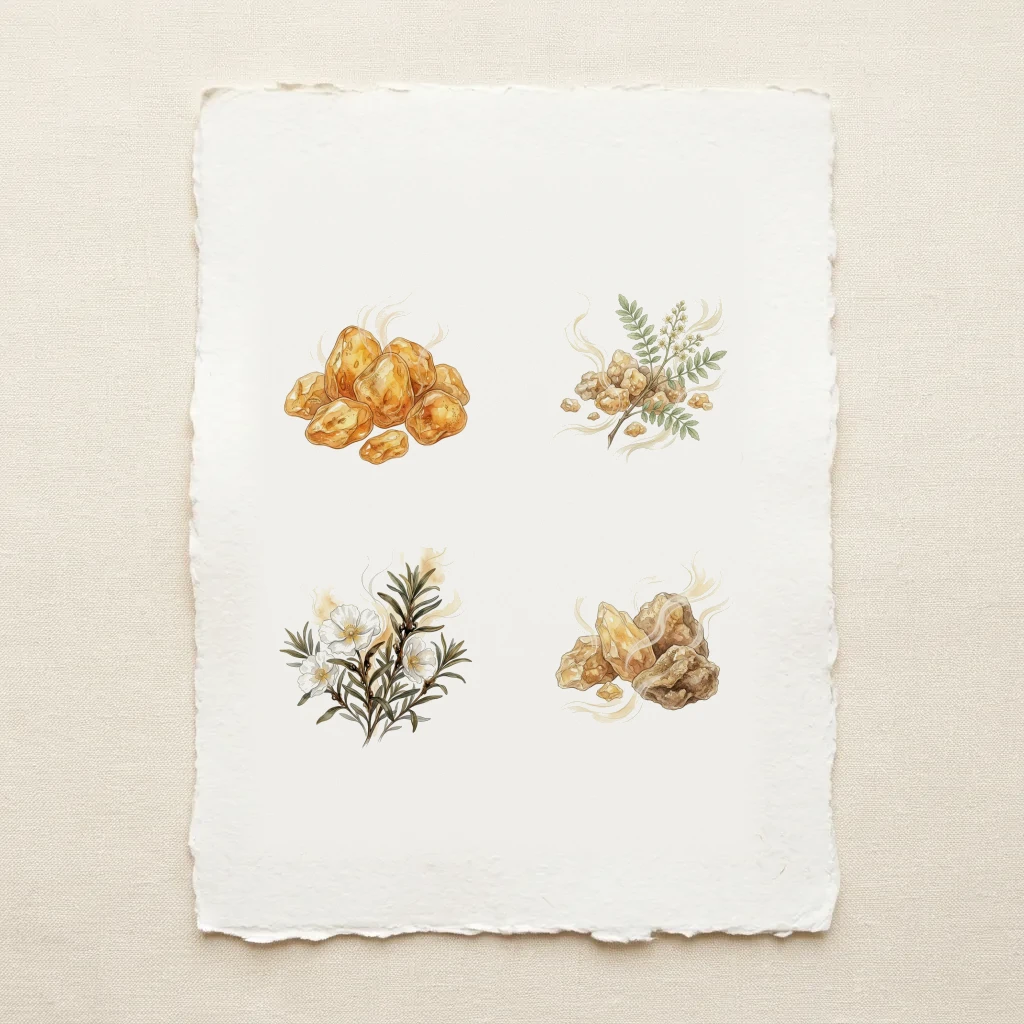
One of the most frequent misunderstandings among perfume buyers in Jordan happens when someone reads "amber" in a note pyramid and hesitates because they dislike heavy ceremonial smoke. In everyday Arabic conversation, amber, oud, and bakhoor smoke sometimes blur into one category — yet in true fine perfumery, Amber and Incense sit on completely distinct olfactory shelves. Buy an amber perfume expecting campfire ashes and you will be stunned to smell warm golden honeyed cream instead.
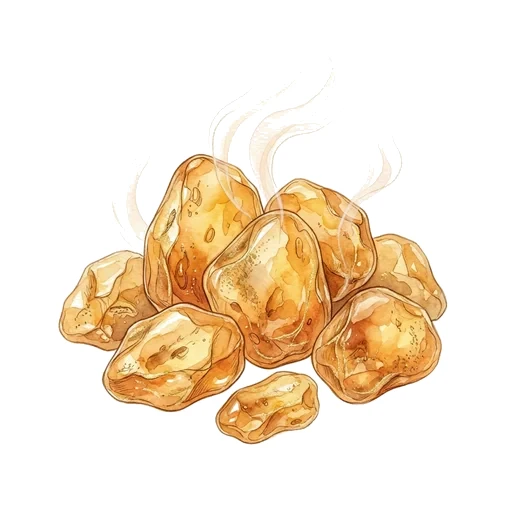
What Perfumery 'Amber' Actually Smells Like
Tree-fossil Baltic amber jewelry yields almost no extractable oil at all. Instead, when classical perfumers list "Amber," they mean a golden composite accord crafted mainly from sweet balsamic benzoin resin (soft almond-vanilla warmth), sun-baked rockrose labdanum (honeyed amber glow), and velvety vanilla or tonka bean, frequently cushioned by sandalwood or patchouli. The impression on skin feels cozy, enveloping, softly sweet, slightly powdery, and sunlit — never sooty.
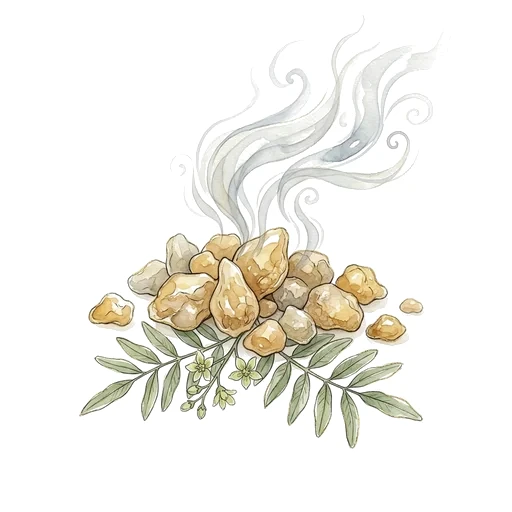
What Sets Incense & Liturgical Smoke Apart
True Incense — derived mainly from Omani or Somalian Boswellia frankincense tears (olibanum) or distilled birch/pyrogenic cade wood — behaves almost in opposition to sweet amber. Raw olibanum resin brings crisp terpenic freshness of crushed pine needles, dry white pepper, lemon peel, and cool limestone cathedrals before warming into dry woody incense haze. When bakhoor chips are burned, woods and myrrh release dry aromatic smoke — exhilarating and spiritual, rather than creamy.
Spotting Classic Key Accord Clues in Middle Eastern Fragrances
Arabian fragrance lovers notice immediately why both names carry rich heritage. Inside classical Eastern blends, sweet "amber" builds soft velvety cushions beneath rose, saffron, and sweet fruit (giving warmth you want right near pulse points), whereas frankincense and myrrh bring sacred atmospheric lift that drifts gracefully across winter air and majlis textiles.
How to Read a Label Confidently Before Ordering
If a pyramid highlights Amber, Benzoin, Tonka, and Vanilla, expect cozy golden softness without smoke — ideal even for indoor offices in moderate sprays. Only expect noticeable temple or coal smoke when words like Incense, Olibanum, Smoke, Myrrh, Birch Tar, or Burning Woods lead the heart and base. Knowing that single distinction opens up an entire world of rich autumn ambers to shoppers who previously ruled them out.
Explore glowing golden resin warmth without smoky charcoal bite in Amberion Elixir — rich resinous smoothness grounded in vanilla and woods.