6 min read
What Is a Citrus (Hesperidic) Perfume? Sunlight Harvested in Cold-Pressed Zest
Named after the mythical golden-apple garden of the Hesperides, citrus perfumes sparkle like no other — here is what separates bergamot, yuzu, lime, and mandarin.
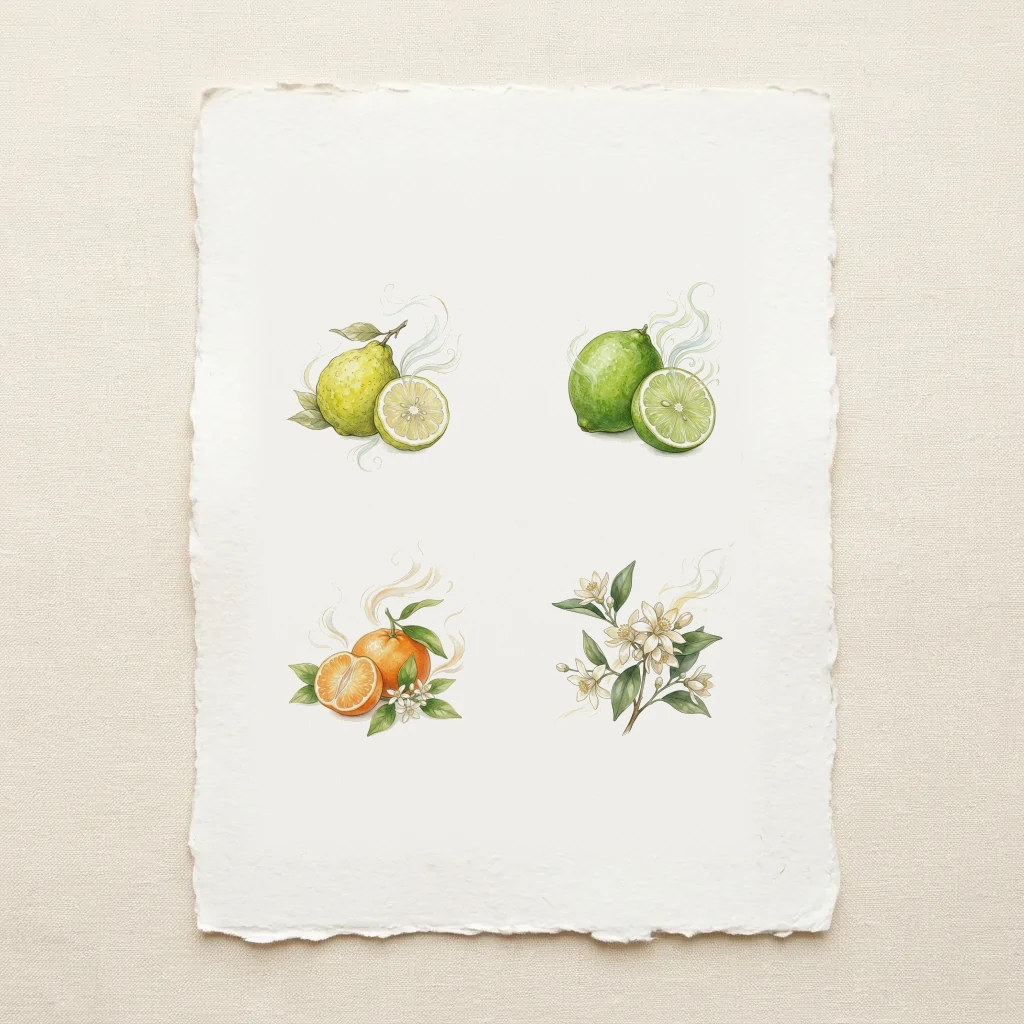
Whenever a customer asks for something crisp, energetic, and zero-sweetness for July heat in Amman or beach afternoons in Aqaba, every perfumer points straight to the Hesperidic — commonly known simply as the Citrus — fragrance family. Taking its historic French name from the mythical garden of the Hesperides and their golden citrus fruit, the family relies on volatile peel oils cold-expressed from bergamot, lemon, mandarin, yuzu, blood orange, and grapefruit.
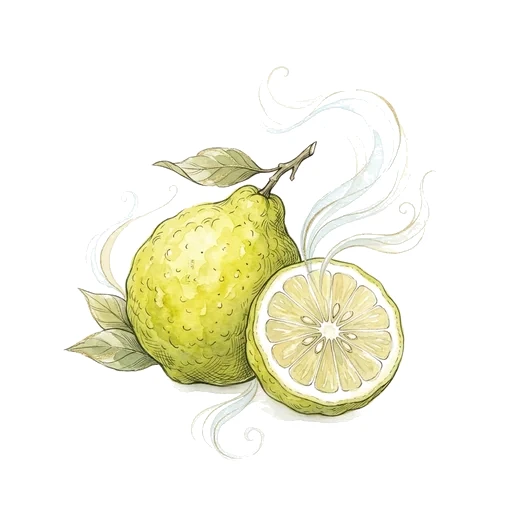
Cold Expression: Why Citrus Zest Cannot Be Heat-Distilled
Unlike tough bark or roots steamed in copper stills, delicate citrus rinds cook into flat lemon-drop jam if boiled. Therefore houses mechanically puncture and cold-press thousands of fresh rinds from Calabria, Sicily, and Mediterranean groves via centrifugation, capturing bright sparkling limonene and floral linalyl acetate intact. When sprayed, those crisp airborne molecules hit olfactory receptors before anything else inside the bottle.
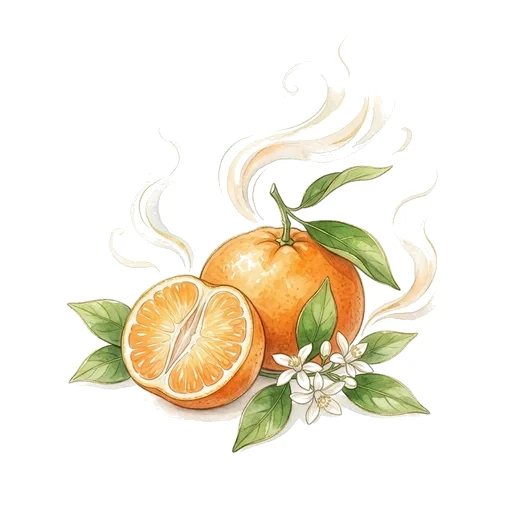
Decoding the Major Citrus Moods: Sparkling vs. Bitter vs. Juicy
Citrus is far broader than plain lemon cleaner. Calabrian bergamot smells refined and softly tea-like; Sicilian grapefruit snaps brisk, tart, and slightly sulfurous like chilled tonic water; blood orange offers ruby-red berry sweetness; petitgrain — pressed from twigs and leaves rather than rind — adds crisp green botanical woodiness; and Japanese yuzu blurs citrus zest with icy pine needles and airy floral sparkle.
Headspace vs. Cold Expression Across Bitter Leaves and Rinds
Citrus perfumery draws not solely from pressed orange or lemon peel, but from every green part of bitter Citrus aurantium trees. Crushed leaves and twigs steam-distill into brisk green earthy Petitgrain; fragile white spring blossoms yield honeyed metallic Neroli via steam hydrodistillation or lush orange-jam Orange Blossom Absolute via cold solvent bath — letting noses tune summer light across fruit, twig, and petal simultaneously.
Fixing the Longevity Paradox on Hot Summer Skin
Tiny citrus molecules evaporate in 45 to 90 minutes on hot skin unless properly anchored. Modern perfumers pair bright rinds with crystalline white musks, cool cedarwood, clean iso-e-super, sea salt, or mineral ambroxan so the crisp sunlit character lasts six hours on fabric. Keep an authentic citrus aromatic inside a shaded bag in Jordan rather than roasting in a sunlit car dashboard — UV rays spoil pressed peel terpenes rapidly.
Beat summer heat with tart Japanese yuzu, bright bergamot, crisp juniper, and mineral sea salt anchored on akigalawood and Ambrofix in Khamrah Waha.