6 min read
How Jasmine Actually Smells in Perfume: Sambac vs. Grandiflorum Explained
Strolling past an Amman courtyard jasmine vine smells fresh and sweet, yet jasmine inside perfume turns lush, creamy, tea-like, or fiercely sensual — here is why.
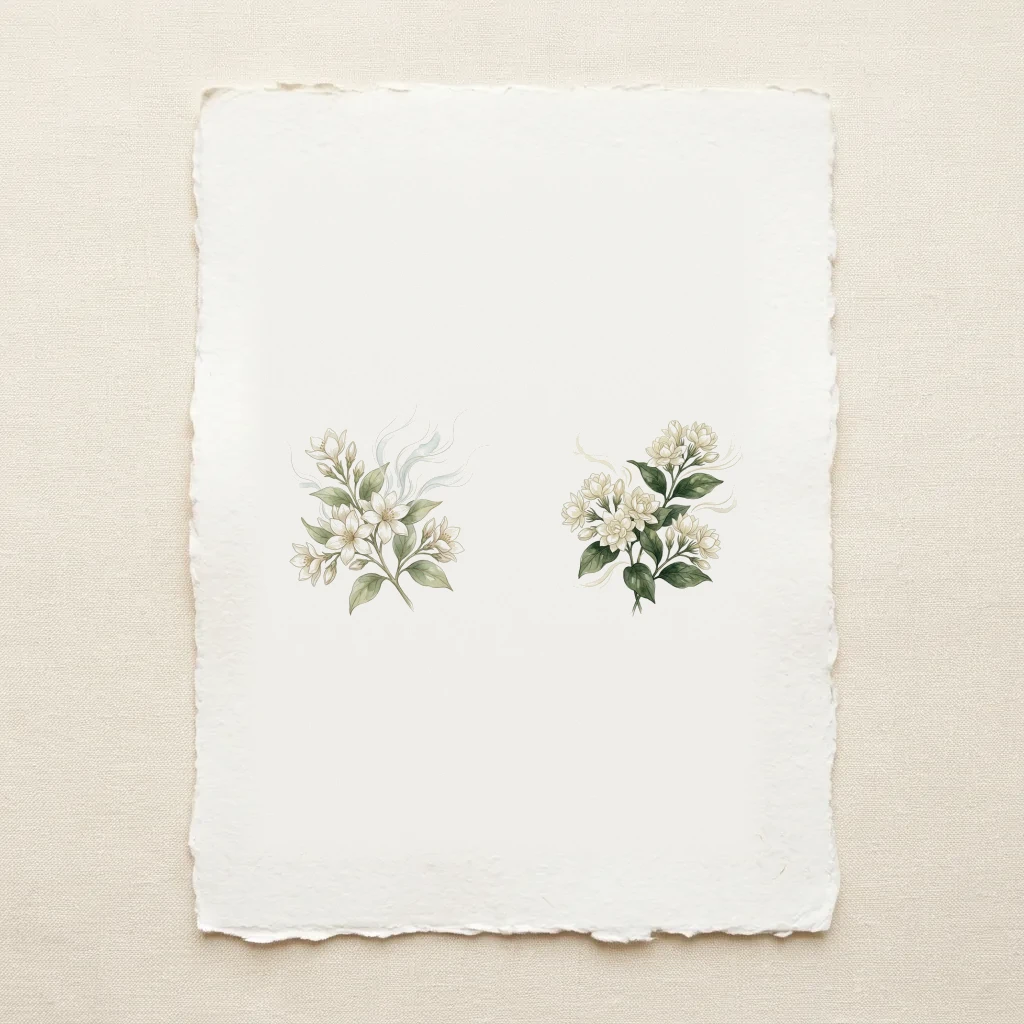
For anyone raised near Levantine stone courtyards where jasmine cascades over balcony walls at dusk, smelling a commercial "jasmine" perfume can sometimes surprise them. Some bottles smell like cool green jasmine tea in warm honey; others turn thick, banana-creamy, intoxicating, and slightly animalic like heated skin. That dramatic range comes down to two completely different jasmine botanicals alongside how perfumers balance the flower's natural indole molecule.
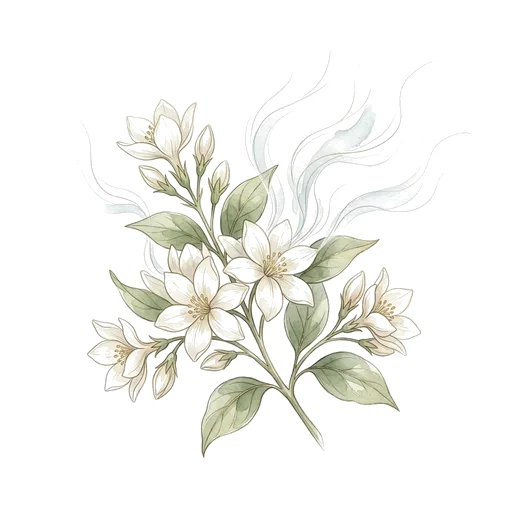
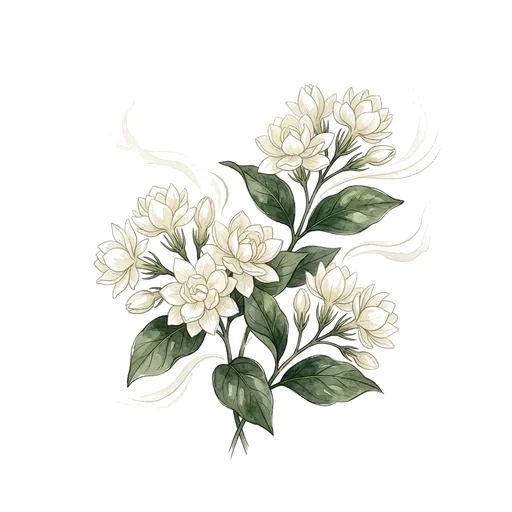
Jasmine Grandiflorum vs. Jasmine Sambac (Arabian Night Jasmine)
Jasmine grandiflorum — historically cultivated across Grasse, Egypt, and Calabria and closest in character to Levantine garden vines — smells luminous, breezy, lightly peachy, green-stemmed, and cleanly romantic. In contrast, Jasmine sambac (known across the Middle East as Full / فل and picked before dawn in India) packs concentrated sweetness reminiscent of brewed green tea leaves, juicy nectarines, warm beeswax, and thick velvety white petals.
The Indole Factor: Fresh Courtyard Air vs. Head-Turning Sensuality
Living jasmine blossoms emit peak scent at twilight specifically to attract night moths, releasing natural indole alongside bright benzyl acetate. At delicate trace doses, indole brings realistic three-dimensional petal life — the damp, living glow that stops jasmine from turning flat and artificial. At heavy doses, it adds a deep musky animal warmth that shines brilliantly beside sandalwood, amber, and soft oud.
Solar White Florals: Why Jasmine Loves Coconut, Orange Blossom & Tea
Notice why master perfumers frequently cushion either jasmine species beside creamy milky coconut, citrus neroli petals, or crisp bergamot tea notes. Sunny orange blossom lifts jasmine's lighter floral top facets (methyl anthranilate sweetness), cooling green tea tames animalic indole edges, and velvety vanilla-cashmeran anchors delicate benzyl esters deep into winter wool and linen.
Pairing Jasmine Cleanly in Warm Jordanian Weather
Look for Jasmine grandiflorum joined by Calabrian bergamot, blackcurrant, white musk, and cool cedar for sunlit morning workwear or daytime social gatherings — airy and uplifting. Save rich Jasmine sambac wrapped around coconut, mango, tuberose, or toasted vanilla for weddings, sunset dinners, and velvet evening wardrobes where radiant white florals blossom effortlessly.
Admire sparkling bergamot lifting blooming white jasmine, orange blossom, and velvety tuberose over vanilla-musk warmth in Emaan by Lattafa.