6 min read
Osmanthus: The Tiny Asian Blossom That Smells Like Ripe Apricot and Soft Suede
Cultivated for centuries in Guilin's autumn gardens, osmanthus naturally fuses juicy orchard apricot with refined brown tea-leather depth.
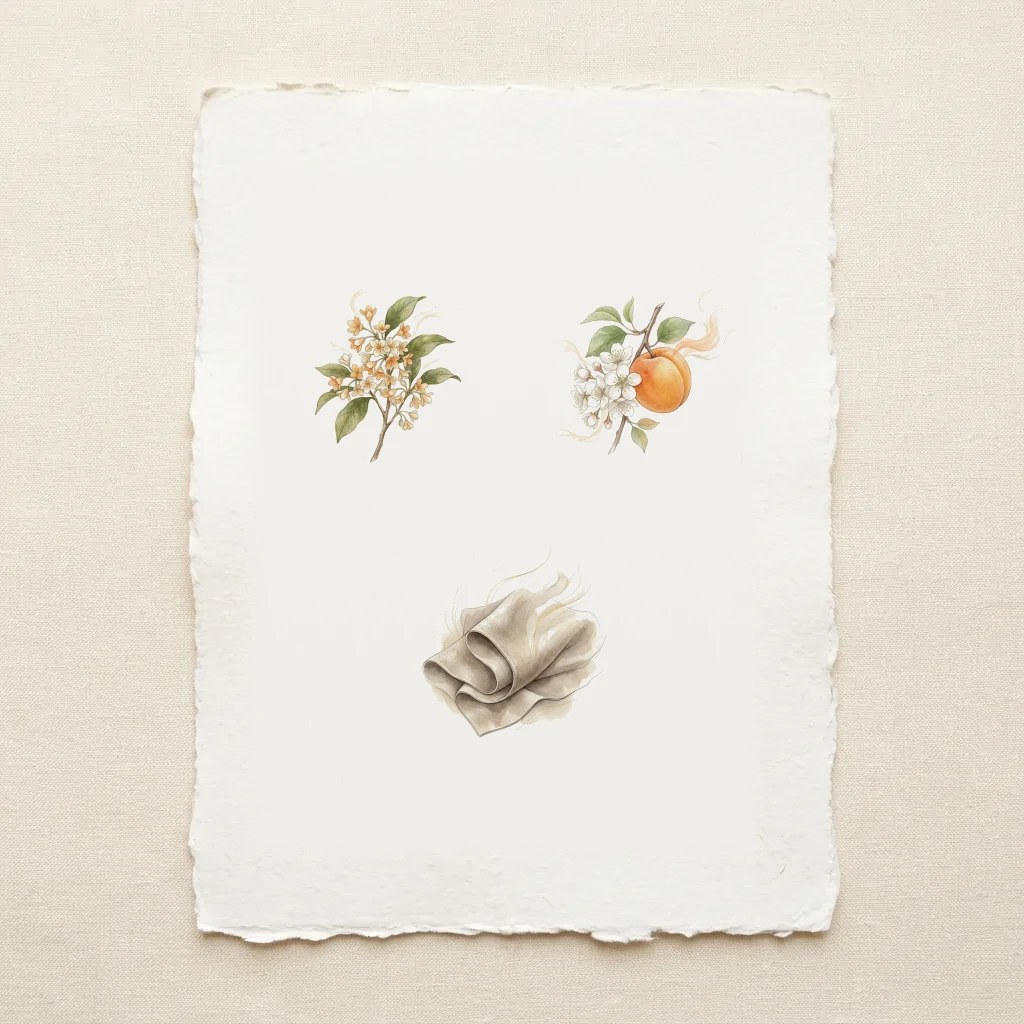
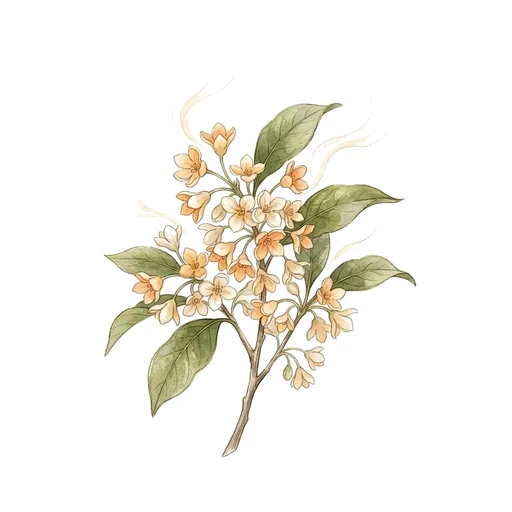
No single petal illustrates nature's gift for contrast better than Osmanthus fragrans — known poetically in China as sweet olive or "tea-olive" of Guilin. Barely a few millimeters wide, its pale cream and amber-orange blossoms drop over cobblestones each autumn smelling shockingly unlike fragile daisies: one inhalation unites golden sun-warmed apricot jam, gentle oolong tea steam, and the supple velvet texture of brushed beige suede.
The Rare Marriage of Gamma-Decalactone & Beta-Ionone
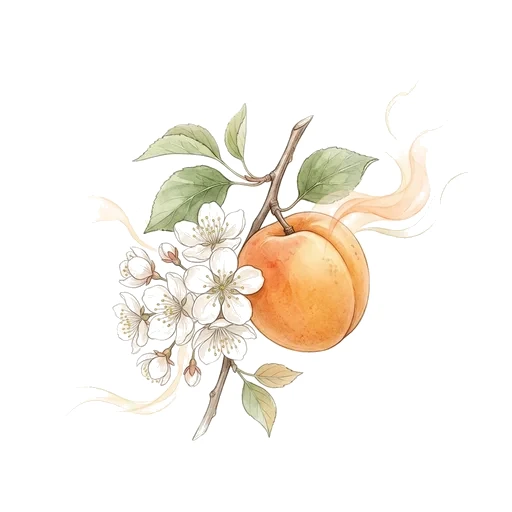
Why does one flower pull simultaneously toward bright fruit orchards and warm glove leather? Nature builds osmanthus from two unlikely companions: velvety peach-apricot lactones paired with crisp woody beta-ionone and smoky tea-leaf theaspiranes. Because the blooms deteriorate quickly once fallen, traditional harvesters preserve freshly gathered ivory petals briefly in natural sea-salt brine before washing and solvent extracting the ultra-precious concrete into amber-colored Osmanthus Absolute.
Why Both Floral Collectors and Leather Lovers Adore Osmanthus
In breezy spring bouquets, osmanthus softens jasmine, peony, and white musk with warm golden nectar that feels approachable and cheerful rather than sharp. Yet inside bold cold-weather leathers featuring saffron, labdanum, incense, and suede, a drop of osmanthus rounds stiff smoky hide into supple buttery couture leather — making dark perfumes surprisingly wearable from afternoon coffee straight to late dinners.
Layering Osmanthus With Saffron, Rose & Clean Tea Leaves
Notice why tea-lovers and niche connoisseurs gravitate immediately toward Osmanthus blends: its smoky golden dried fruit nuance harmonizes instinctively with steamed white tea, warm roasted saffron threads, and creamy suede musk, yielding complex elegance with minimal sweetness.
Experiencing Osmanthus in Modern Arabian Parfumerie
If a perfume opens bright fruity-floral yet dries down quietly woody, creamy, and lightly sueded without losing its golden fruit glow hours later, look at the note pyramid — osmanthus is frequently the quiet magician weaving those worlds into one unbroken trail.
Discover radiant osmanthus, saffron, velvety plum, tuberose, and supple black leather anchored over dark patchouli in Prime 26.