6 min read
Al-Kindi (801–873 CE): Baghdad's Polymath Who Authored the First Perfume Book
Fourteen centuries ago in Abbasid Baghdad, Ya'qub ibn Ishaq al-Kindi documented over 100 scent formulas, distillation stills, and saffron-musk oils.
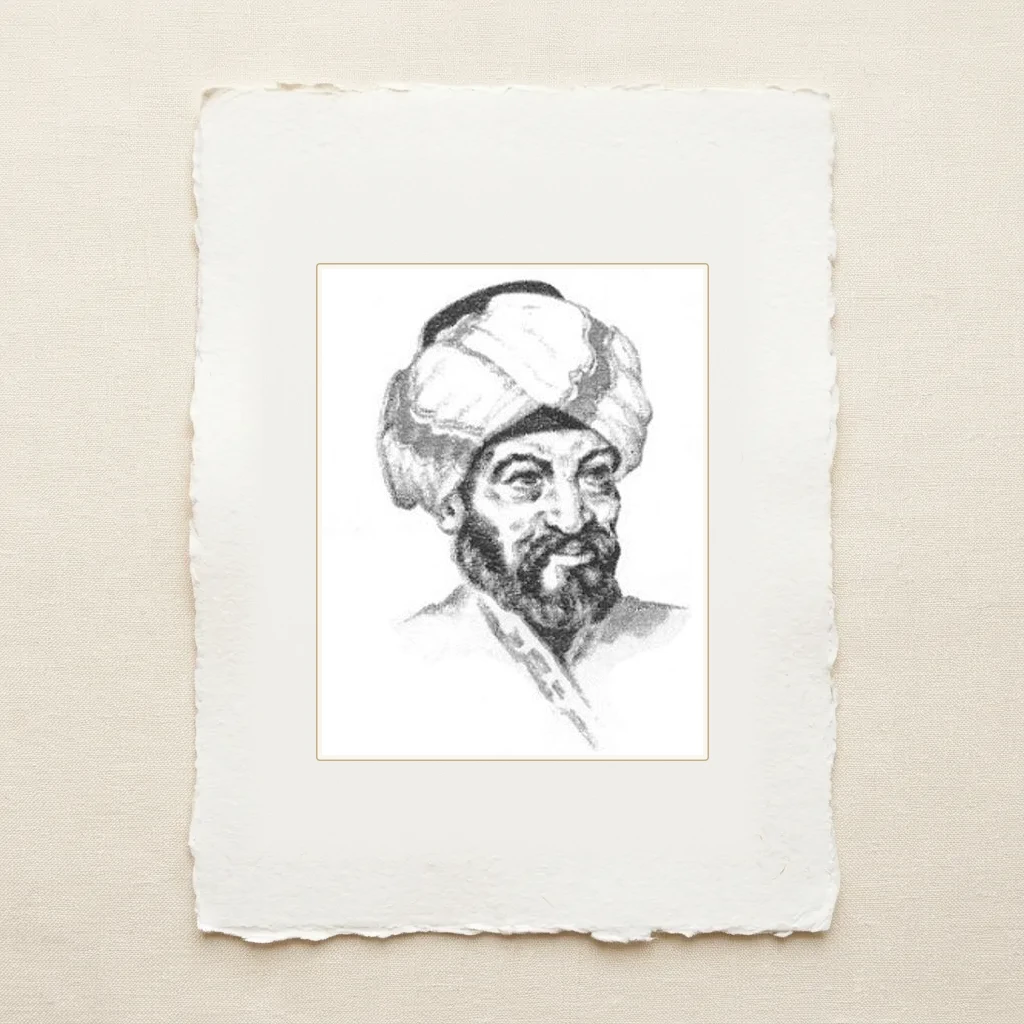
Centuries before modern French laboratories standardized perfume formulas, Abbasid Baghdad's House of Wisdom produced one of history's foundational olfactory texts. Written during the ninth century by the brilliant Arab polymath Ya'qub ibn Ishaq al-Kindi (801–873 CE), Kitab Kimia al-'Itr wa al-Tas'idat — The Book of the Chemistry of Perfume and Distillations — stood apart from mystical poetry: it offered crisp, reproducible laboratory recipes, measured weight ratios, and apparatus diagrams that helped transform perfumery from guesswork into applied chemistry.
107 Recipes Built From Saffron, Camphor, Musk, Ambergris & Oud
Across more than a hundred systematically numbered formulas, Al-Kindi documented how to macerate Indian agarwood shavings, soften bitter camphor, extract delicate flower oils into sesame or ben oil baths, and blend saffron-stained ambergris salves — even noting cost-saving botanical substitutions for rare materials so apothecaries could formulate consistently across Damascus, Cairo, Basra, and Cordoba.
Distillation Vessels and Thermal Control
Critically, Al-Kindi warned perfumers against burning delicate petals over direct fierce flames — describing gentle water-bath heating (today still echoed by the French bain-marie) and clay-sealed glass condenser stills that preserved fresh floral volatile notes cleanly without scorched smoke.
Maceration Oils and Fixation Techniques Recorded in Baghdad
Notably, Al-Kindi described submerging botanical resins inside calm olive, sesame, or moringa ben oils over prolonged intervals — allowing delicate petals to release aromatic terpenes steadily without burning. That gentle maceration patience mirrors modern perfume aging practices still respected across Arabian perfumery houses today.
How Al-Kindi's Palette Still Shapes Arabian Luxury
Listen carefully to the core chords cherished across modern Jordan and the Gulf today — saffron glowing alongside rose petals, resinous myrrh anchoring warm woods, and silky spices warming leather and agarwood — and you hear Al-Kindi's Baghdad notebooks breathing eleven hundred years later.
Celebrate Arab perfume heritage where crimson saffron, aromatic nutmeg, lavender, rich agarwood, and patchouli meet in Bade'e Al Oud Oud for Glory.