6 min read
Ibn Sina (Avicenna): How Refrigerated Steam Coils Perfected Rosewater
More than a medical philosopher, Ibn Sina revolutionized floral oil extraction around 1000 CE by harnessing steam distillation through cooled coiled copper tubes.
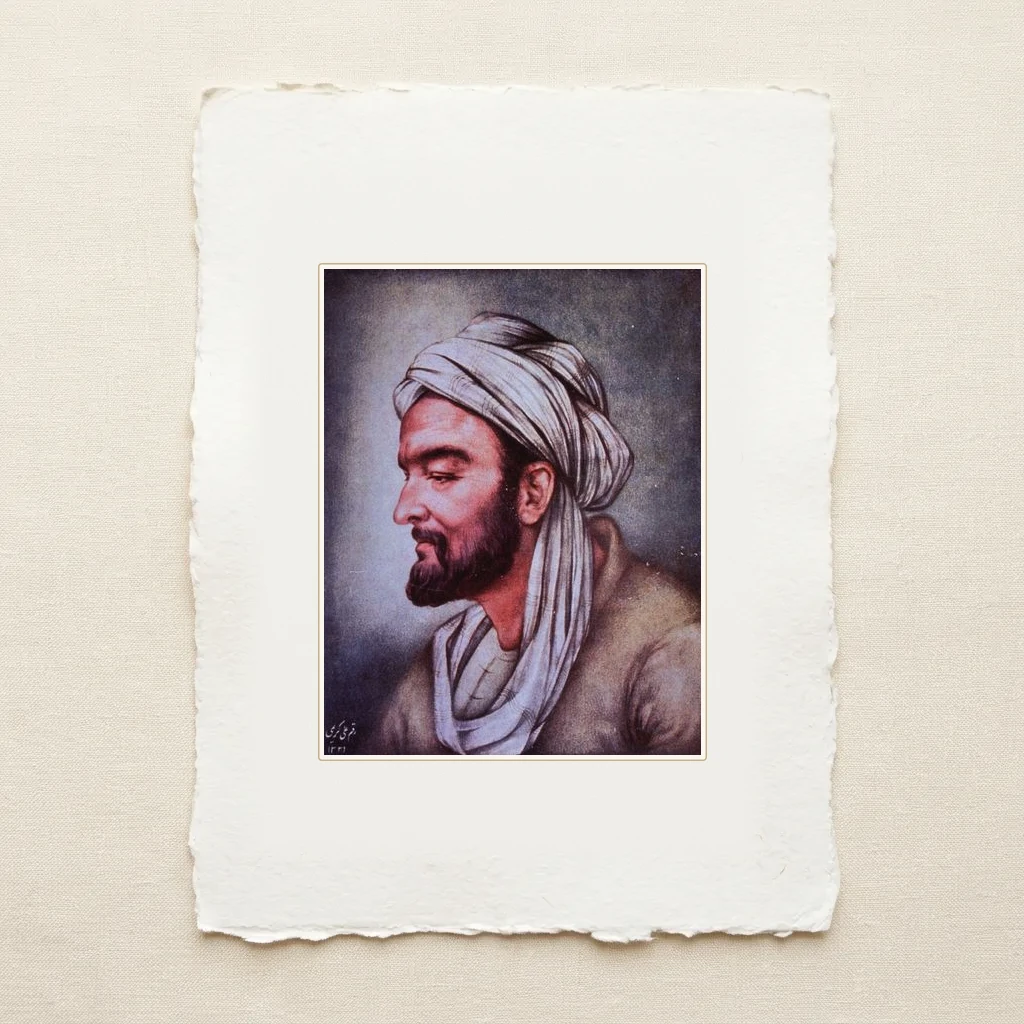
Few visitors realizing the vast reach of Abu Ali al-Husayn ibn Sina (980–1037 CE) — revered globally across Europe as Avicenna — know his transformative mark on everyday fine fragrance. While authoring The Canon of Medicine and exploring aromatic healing, Ibn Sina spotted a flaw limiting old floral distillations: boiling petals directly in water cooked tender flowers, burning away fleeting rose radiance before it ever condensed cleanly.

The Steam Coil Cooling Breakthrough
By channeling fragrant flower steam upward away from the boiling mass and winding that vapor swiftly through a long coiled pipe immersed inside cold circulating water, Avicenna achieved rapid, low-damage condensation. Vapor cooled down immediately before scorching — yielding brighter, cleaner, far more lifelike rosewater and floating essential Rose Otto droplets whose golden scent transformed Middle Eastern, Persian, and eventually European courts.
From Medicinal Aromatherapy to Joyful Hospitality
Inside his medical treatises, Ibn Sina emphasized how rose, violet, sandalwood, and saffron aromas calms heart palpitations and uplifts spirit alongside digestive infusions — weaving refined floral rosewater permanently into Arab hospitality from Damascus rose harvests to Jordanian festive feasts.
Cooling Temperatures Preserved Volatile Rose Citronellol
Modern gas-chromatography explains cleanly why Ibn Sina's coiled cooling tube changed rose yields permanently: gentle steam vapor quickly condensed inside ice-cold copper coils kept tender citronellol, geraniol, and nerol aldehydes intact instead of oxidizing into stale cooked syrup.
Recognizing Steam-Distilled Rose Today
Every sparkling, dewy, tea-fresh petal note dancing effortlessly inside modern Damask Rose Otto owes its clarity directly to clean steam-coil hydrodistillation.
Honor classical Levantine and Persian rose distillation traditions with velvety damask rose petals wrapped in smooth patchouli, musk, and labdanum inside Velvet Rose.